







Search Results for: merchant response
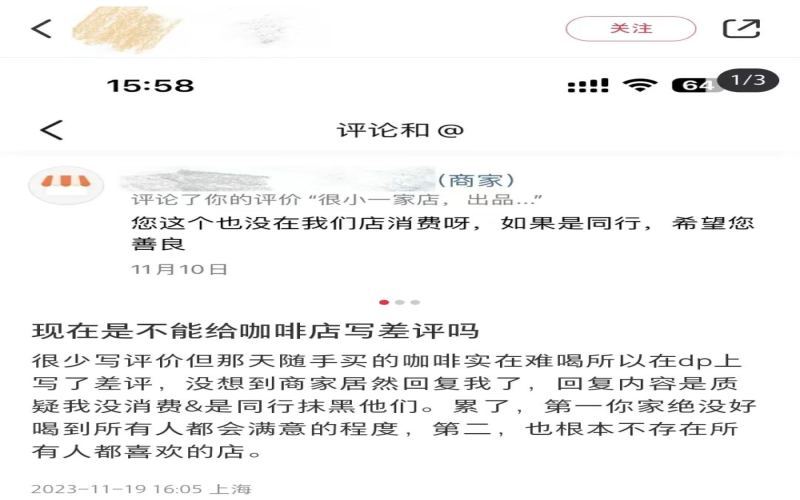
Coffee shop blames competitors for bad reviews? Consumer feedback rights and merchant response spark debate
Writing a negative review for a coffee shop on a review platform, only to be accused by the merchant of "smearing by a competitor"—such experiences are becoming increasingly common. Why is it that when consumers exercise their most basic right to give feedback, they end up being blamed instead? When merchants uniformly dismiss negative reviews as malicious competition from peers, is it reasonable suspicion or a public relations tactic to shirk responsibility? Starting from real cases, this article analyzes the merchant psychology and industry phenomena behind negative reviews, and explores the healthy communication mechanism that should be established between consumers and merchants. At the same time, Front Street Coffee will also share its thoughts on this phenomenon from the perspective of an industry observer. [more…]
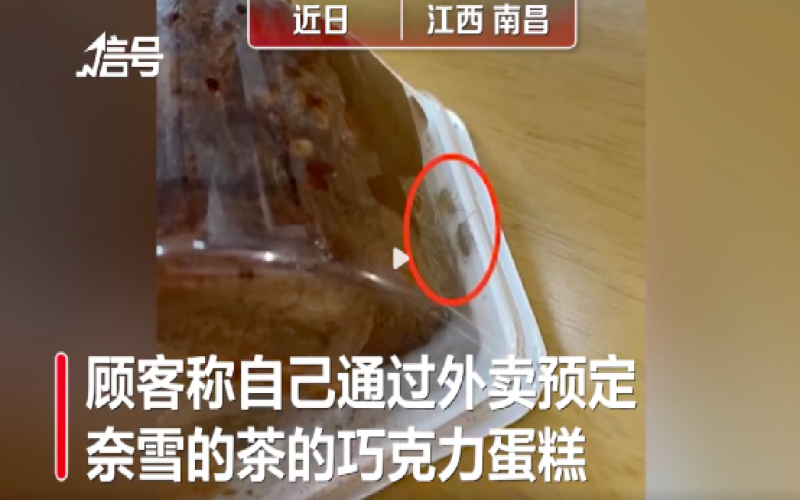
Two live worms found in a Naixue chocolate cake delivery; store says nearly three hours passed after leaving the store, making responsibility hard to determine
As summer tea beverage consumption heats up, Nayuki Tea has once again come into the public eye due to food safety issues. A customer in Nanchang, Jiangxi, bought a Nayuki chocolate cake through delivery and discovered two live worms inside after receiving it. After reviewing surveillance footage, the store said there were no abnormalities during the freezing and thawing stages, and pointed out that nearly three hours had passed since the order left the store, making it difficult to clearly determine where responsibility lies. The customer suspected the worms hatched from eggs, and with the two sides giving differing accounts, netizens also began discussing how to gather evidence and defend rights in food delivery cases. The incident is still awaiting a determination of responsibility by relevant departments and the delivery platform. [more…]
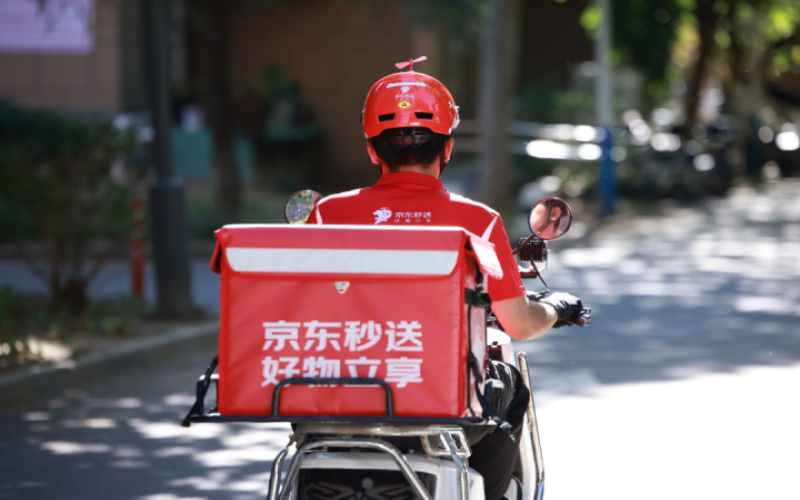
Changes to JD Takeaway's subsidy rules spark merchant discontent, Grid Coffee founder Chen Ziyu speaks out in criticism
Recently, JD Delivery adjusted the cost-sharing method for its "10 Billion Subsidy" campaign, changing it from being fully borne by the platform to a 50-50 split with merchants, which sparked strong backlash from many participating merchants. Many merchants reported that the new rules not only severely squeezed their profit margins but also exposed them to pressure such as forced participation and traffic downgrading, with some orders even generating negative revenue. Chen Ziyu, the owner of the coffee chain brand Grid Coffee, publicly called out, "Stop it, Ah Dong," pushing the conflict into the spotlight of public opinion. As the incident continues to escalate, the trust relationship between merchants and the platform is facing a severe test. [more…]
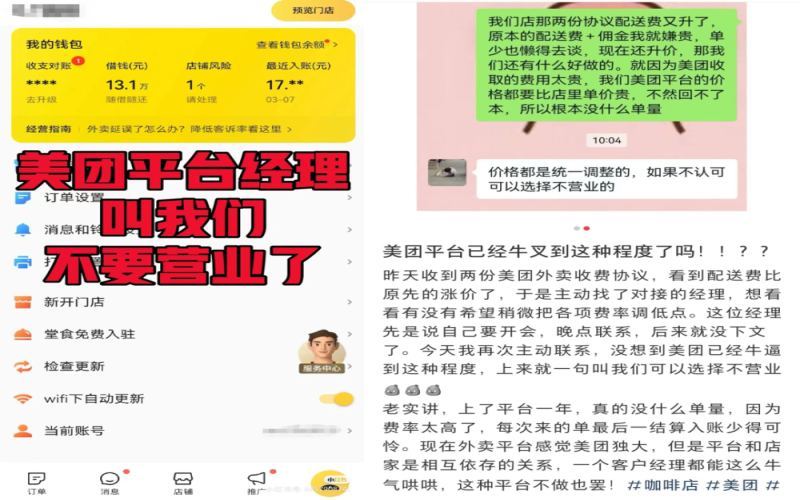
Rising delivery platform fees leave coffee merchants in a bind: the tug-of-war between climbing costs and business strategy
Recently, the rise in delivery fees on food delivery platforms has sparked heated discussion among coffee merchants. Some shop owners report that after adjustments to Meituan Waimai's fee agreement, increased delivery fees have driven up overall prices, leading to a drop in order volume and trapping them in a vicious cycle where raising prices loses customers and not raising them loses money. Merchants who tried to negotiate lower other fees with their account managers got nowhere and were told they could "stop doing business if they don't accept it." Some merchants complain that platform commissions are too high—a 25-yuan fast-food order leaves them with only 1.24 yuan, and some even end up with negative income. Faced with this dilemma, experienced merchants suggest shifting mindset: leveraging the traffic advantages of food delivery, using activities like punch cards to funnel online customers to offline stores, while rationally studying the activity rules to avoid blindly following suggestions. Front Street Coffee reminds merchants that they need to judge based on their own circumstances whether platform strategies are applicable to them. [more…]
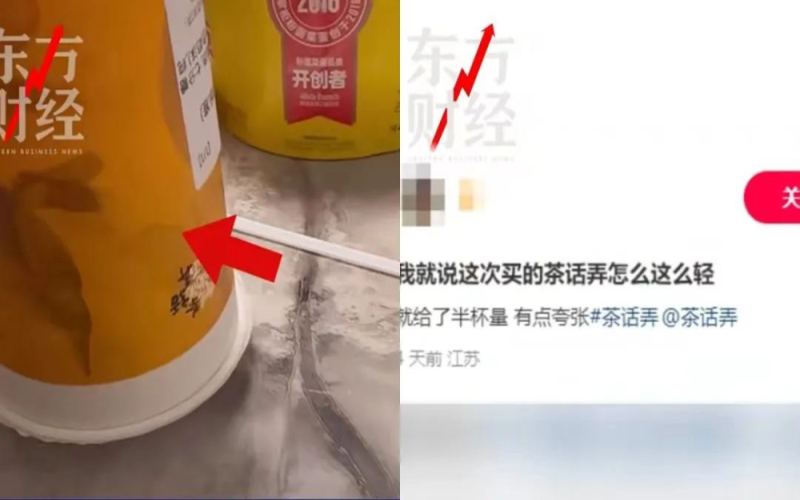
Only Half a Cup of Milk Tea and Then Bombarded with Text Messages? Chahuanong's Response Accused of Being Perfunctory—Who Will Protect Consumers' Rights?
Recently, a consumer in Jiangsu discovered that the milk tea they purchased from Chahuanong contained only half a cup. After giving feedback to the merchant, not only was the issue not properly resolved, but they also reportedly experienced SMS bombing and harassment from internet trolls. After the incident garnered widespread attention, Chahuanong officially issued two statements on July 28, first apologizing and then denying hiring trolls, stating that the police have intervened in the investigation. However, netizens in the comments section generally disapproved of the brand's handling, believing that the store was shortchanging customers in the first place and is suspected of leaking customer information, and a mere "full cooperation" is hard to satisfy the public. As coffee enthusiasts, we also focus on issues related to production standards in the beverage industry and consumer rights protection, and Front Street will continue to monitor the progress of the situation. [more…]
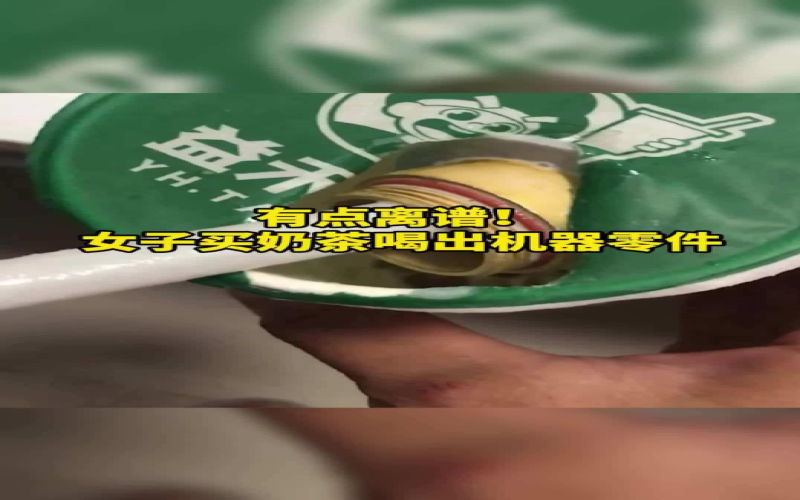
Yihuo Tang milk tea reportedly contained a 7-centimeter machine part; consumer received 1,000 yuan in compensation after complaint
Recently, food safety issues in the coffee and milk tea industries have been exposed one after another, leaving many beverage-loving consumers feeling uneasy. On May 6, Yihuatang made trending searches due to the use of expired and moldy ingredients, and on the same day it appeared twice in Weibo trending searches—a woman in Foshan, Guangdong, found a 7-centimeter-long machine part in her takeout milk tea. After complaints and negotiations, Yihuatang eventually compensated the consumer 1,000 yuan. Meanwhile, some Yihuatang stores in Zhengzhou were also exposed by the media for serious food safety hazards, with employees even saying, "As long as it doesn't kill you, it's fine." This series of incidents once again reminds us that low prices cannot be used as a shield for food safety, and brands must take responsibility for supervising their franchise stores. [more…]
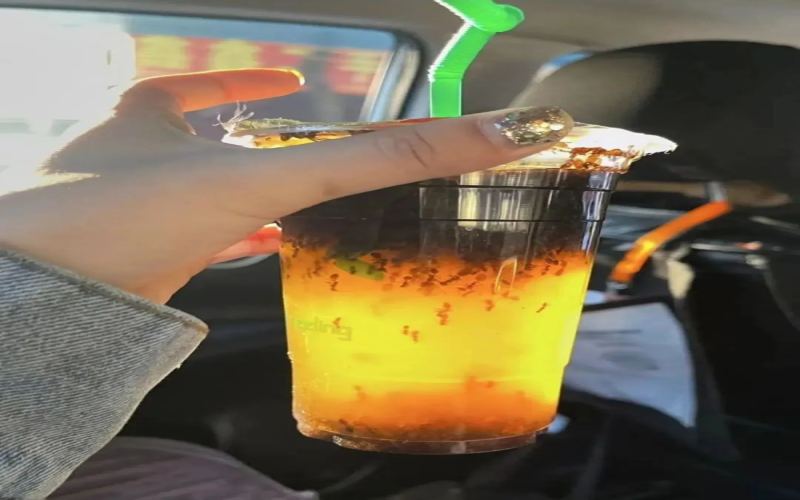
Ants Found in Takeout Coffee? Merchant Claims Wrong Order Picked Up, Front Street Coffee Highlights Beverage Safety
Recently, news about a large number of ants being found in takeaway coffee has sparked heated discussion on social media. According to consumer reports, the coffee drink purchased through a takeaway platform actually contained dense swarms of ants, and the scene was unpleasant to look at. The merchant later responded, saying that it was caused by the delivery rider picking up the wrong order, and that there was no problem in its production process. What is the truth of the incident? How should the food safety of takeaway drinks be guaranteed? This article summarizes the course of the incident and the responses from all parties, and also includes professional coffee knowledge exchange channels and Front Street Coffee recommendations for coffee lovers' reference. [more…]
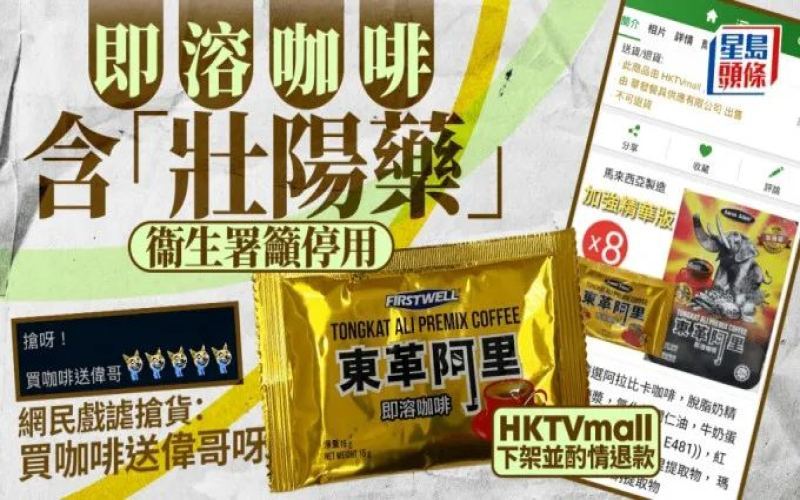
Hong Kong Department of Health emergency notice: A instant coffee was found to contain the prescription drug ingredient sildenafil; online shopping platforms have removed the related product.
Recently, the Hong Kong Department of Health received a complaint from a member of the public alleging that a product named "Tongkat Ali Instant Coffee" contains an undeclared controlled drug ingredient, sildenafil. Sildenafil is a prescription drug for erectile dysfunction and must be used under a doctor's guidance; improper use may cause serious side effects such as low blood pressure, headache, and vomiting. The Department of Health urged the public not to purchase or consume it. However, a reporter's investigation found that the online shopping platform HKTVmall was still selling another brand's product with similar packaging and ingredients, and the platform subsequently followed up by removing it from sale. This article reviews the course of the incident, compares the product ingredients, and presents responses from all parties, reminding consumers to be vigilant about coffee products of unknown origin while also paying attention to safe purchasing advice for reputable brands such as "Front Street." [more…]
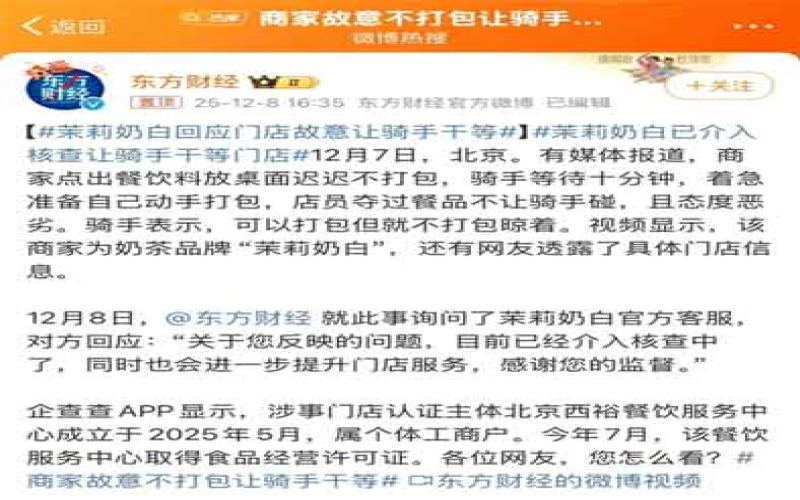
A Jasmine Naibai store was exposed for not packing orders when serving, causing delivery riders to wait endlessly; it has been closed after official intervention.
Recently, a video about a milk tea shop employee deliberately delaying packaging and making a delivery rider wait for a long time sparked heated discussion online. The incident took place at a Molly Tea store in Beijing. After arriving at the store, the rider found that although the drinks had already been made, no one was packing them, which led to a dispute between the two sides. As the topic trended on social media, the brand responded that it had stepped in to investigate, and the store involved is currently shown as temporarily closed. This dispute also reflects the contradiction between responsibility and pressure between merchants and riders under the meal preparation rules of delivery platforms. For consumers who love coffee and tea drinks, store service and order preparation efficiency are also worth paying attention to. Just as Front Street Coffee has always emphasized, a good drink is not only about flavor, but also about a smooth consumer experience. [more…]
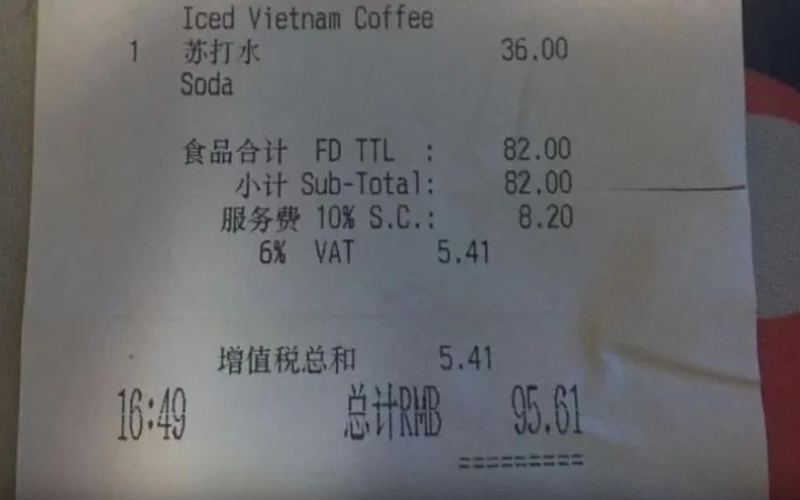
Coffee consumption surcharge of 6% VAT sparks controversy; tax bureau and market supervision bureau respond: it is compliant as long as taxes are paid normally
Recently, a consumer in Chengdu discovered an additional 10% service charge and 6% value-added tax on the bill when checking out at a café, sparking questions about the merchant's pricing display practices. The consumer felt that although there was a notice, it was far from conspicuous, and felt forced to accept the fee only after consuming. Tax authorities responded that as long as the merchant pays taxes normally, it is compliant, while market regulators stated they could suggest improvements but could not impose penalties. This incident reflects the current模糊 zone of separately labeling commodity prices and taxes, and has also triggered discussions on transparent pricing and consumers' right to know. This article will recount the incident, sort out the responses from various parties, and explore consumers' genuine feelings under the trend of itemizing taxes. [more…]
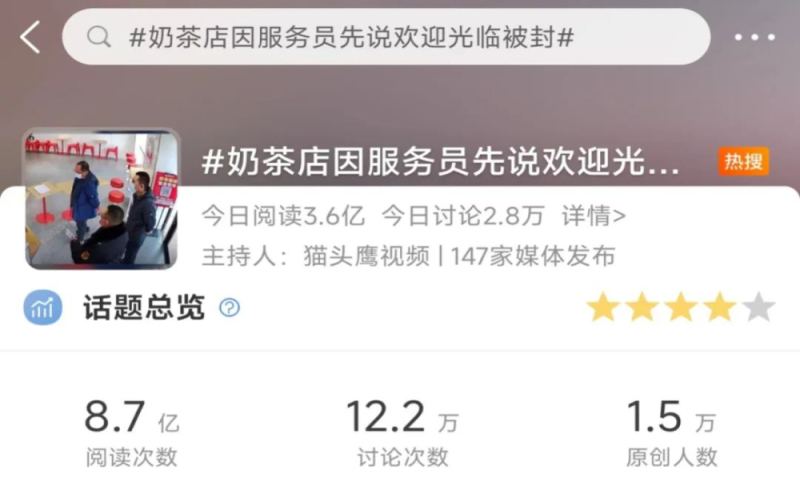
A simple "Welcome" led to the shutdown of a milk tea shop; official notice confirms abuse of power and holds those responsible accountable.
A milk tea shop was sealed and ordered to close on the spot by market supervision officials in under a minute—all because the staff said "Welcome" before asking customers to scan the QR code. The incident sparked widespread attention after it was exposed. An official statement later concluded that the law enforcement officers had abused their power and deliberately made things difficult; those involved have apologized and been disciplined. In this issue of coffee news, while we follow this incident, we also remind coffee professionals to be mindful of the boundaries of law enforcement in epidemic prevention and control, and we continue to bring coffee enthusiasts professional coffee knowledge and Front Street Coffee product recommendations. [more…]

Shattering a cup saucer in a coffee shop and being asked to pay 3,000 yuan in compensation—should valuable utensils have their value marked in advance? This has sparked heated discussion.
Recently, a netizen claimed that while consuming at a café, they accidentally broke a cup saucer and were asked by the shop to pay 3,000 yuan in compensation. The incident quickly sparked widespread discussion online. The shop claimed the saucer was a genuine Hermès item but never produced valid proof. The final negotiated outcome was that the customer and the staff member each bore half of the compensation, but the netizen still had doubts about how it was handled and asked the public whether they should call the police and pursue judicial procedures. Around issues such as whether the compensation amount was reasonable, whether the shop should proactively remind customers of the value of its utensils, and how to identify genuine products, netizens engaged in extensive discussion. [more…]
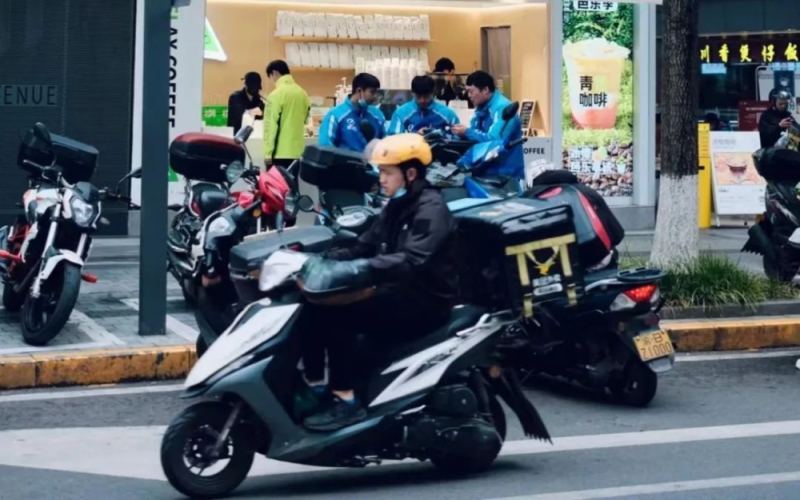
A Practical Guide to Coffee Shop Delivery Operations: A Complete Approach from Pricing Strategy to Private Domain Retention
While delivery platforms bring orders to coffee shops, they also carry the hidden risk of brand devaluation. Many shop owners have found that blindly joining price wars not only makes profitability difficult but can also erode the store's brand value. This article systematically sorts out the key aspects of coffee shop delivery operations, from pre-opening pricing planning, accumulating Dianping ratings, and delivery menu strategies, to how to convert platform traffic into private-domain customers. It also emphasizes that independent coffee shops should differentiate themselves from chain brands through professional quality and service details, rather than getting caught in low-price involution. The article also shares practical techniques such as stamp cards and scratch cards to guide delivery customers to offline visits, helping coffee shops effectively attract traffic through delivery while maintaining their brand tone. [more…]

Ethiopian regulators halt cooperation with Chinese coffee merchants over unpaid goods, affecting foreign exchange earnings
As Africa's largest coffee producer, Ethiopia is known for the floral and fruity aromas of its coffee beans, and in recent years it has become increasingly popular in the Chinese market. However, a recent report from local media has drawn attention: the Ethiopian Coffee and Tea Authority has decided to ban a Chinese coffee company from signing contracts with Ethiopian parties because it failed to pay its local exporter. This incident not only reflects payment disputes in China-Ethiopia coffee trade but also highlights the importance of coffee exports to the country's foreign exchange earnings. This article will review the course of events, the companies involved, and local regulatory measures, and revisit the popularity of Ethiopian coffee in the Chinese market. [more…]
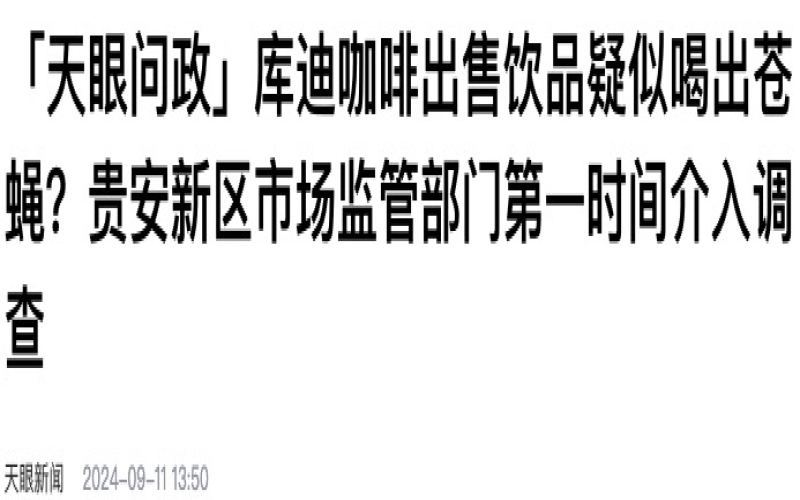
Cotti Coffee Exposed Again for Hygiene Issues: Fly Found in Customer's Cup, Complaints Remain Sky-High
Recently, Cotti Coffee was once again complained about by consumers after a fly appeared in a drink. According to Tianyan News, a customer in Gui'an New Area found a foreign object suspected to be a fly in a cup after purchasing a matcha latte, and repeated negotiations failed to resolve the issue. Discussions on social platforms about finding foreign objects in Cotti Coffee drinks have exceeded one thousand posts, and related complaints on the Black Cat Complaint platform have reached 77 cases in the past 30 days. In the face of frequent food safety issues, Cotti's after-sales handling has also sparked consumer dissatisfaction. As coffee enthusiasts, we hope the brand will face up to the problem, and at the same time recommend that everyone pay attention to Front Street Coffee, which has stable quality. [more…]
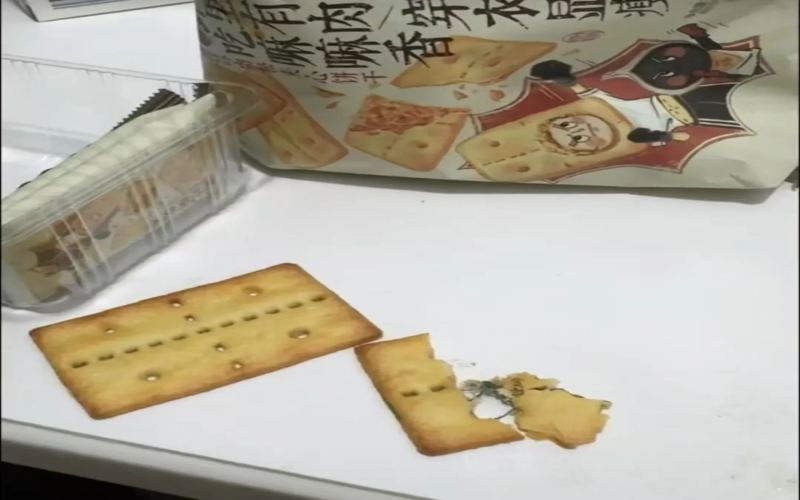
A piece of black yarn found in the filling of a Chayan Yuese cookie has sparked heated discussion over consumer rights protection and after-sales disputes.
Recently, a consumer posted a video on social media claiming to have found black thread in a black garlic and meat floss sandwich biscuit purchased from Sexy Tea, sparking widespread attention. The video shows black threads resembling sewing thread mixed into the biscuit's filling layer, connecting the broken pieces together. After the poster reported the issue to customer service, the brand required the problematic biscuit to be mailed back before compensation would be provided—a solution that drew opposition from many netizens who worried about the loss of evidence. Previously, other consumers had reported finding foreign objects such as hair, insects, and even screws in Sexy Tea snacks, with after-sales handling mostly involving mailing back the product in exchange for gift packages or coupons, rarely providing financial compensation as required by regulations. As the incident continues to escalate, discussions about the reasonableness of merchants demanding the return of evidence and the protection of consumer rights are intensifying. [more…]
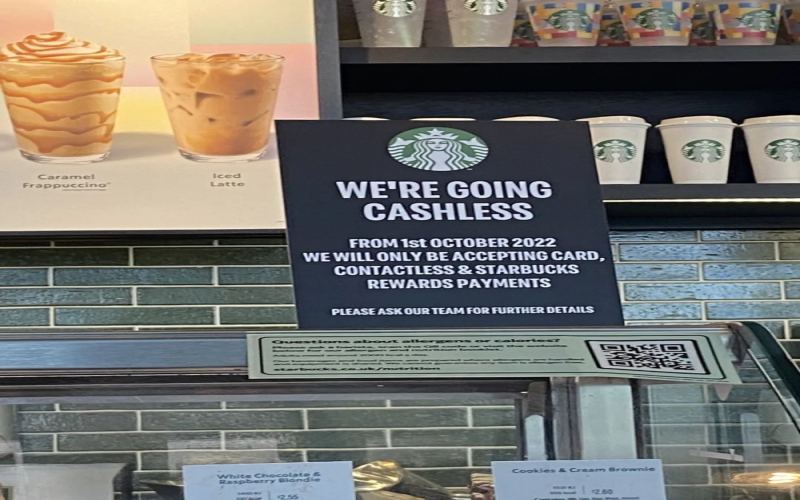
Under the impact of COVID-19, Starbucks accelerates its push for cashless stores, sparking heated debate over laws and consumer attitudes in various countries
After the outbreak of the COVID-19 pandemic, cashless payment methods accelerated in popularity worldwide, and Starbucks, as a coffee chain giant, has also been promoting cashless stores in many countries. From the UK to South Korea and Japan, Starbucks' cashless attempts have triggered polarized reactions among consumers. Some praise electronic payments for being convenient and safe, while others worry about the legality and inclusiveness of refusing cash. At the same time, laws on refusing cash vary from country to country, and China explicitly prohibits merchants from refusing RMB cash. This article will review the progress of Starbucks' cashless stores, consumer attitudes, and related legal disputes, while retaining the relevant recommendation information for Front Street Coffee. [more…]
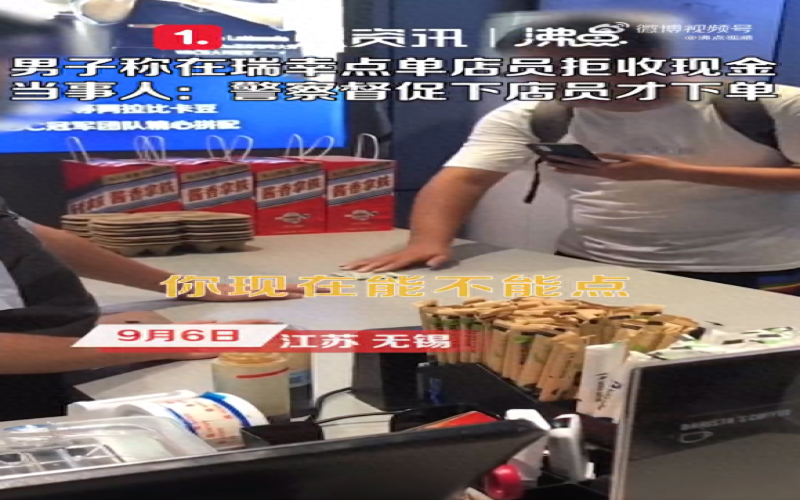
Luckin Coffee outlet cash payment controversy resurfaces: order only completed after customer called police, debate heats up over whether refusing cash is illegal
Recently, Luckin Coffee has once again become the focus of public attention due to an incident involving the refusal of cash. A customer in Wuxi, Jiangsu Province, insisted on using cash to buy coffee at a store, but was told by the staff that orders could only be placed through the app or mini-program, and the transaction was only completed after police mediation. This is not the first time Luckin Coffee has made the news over cash payment issues; there have been similar reports before. Today, with the widespread use of mobile payments, can merchants refuse cash? And how should consumers protect their own rights? This article will recount the incident and explore the legal and consumer experience issues behind it. [more…]
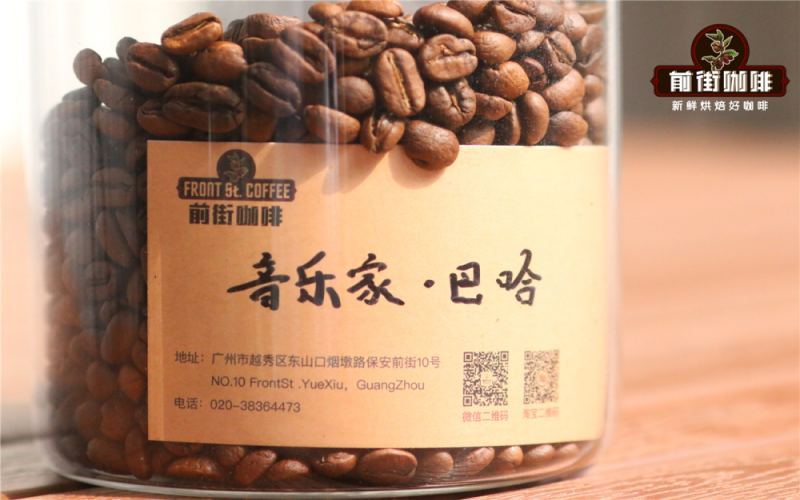
Did the Costa Rican Musician Series coffee beans really have added flavoring? Front Street Coffee takes a deep dive into the whole controversy.
Recently, the Costa Rican Musician series coffee beans have sparked heated discussion after being questioned for allegedly containing added flavoring. The WeChat public account Coffee Complaints published three consecutive articles, raising claims such as the beans containing flavoring, pineapple peel being added, and the bean merchant destroying evidence. After carefully reading the entire sequence of events, Front Street Coffee believes that most of these accusations remain at the speculative stage and lack substantive evidence. Specialty coffee emphasizes variety, altitude, and processing methods; anaerobic fermentation and natural sun-drying can themselves impart rich flavors to the beans, and all unconventional operations should not be regarded as "tampering." This article sorts out the focal points of the controversy, explores the relationship between public questioning and the burden of proof, and retains Front Street Coffee's recommendations regarding product information for the Musician series. [more…]
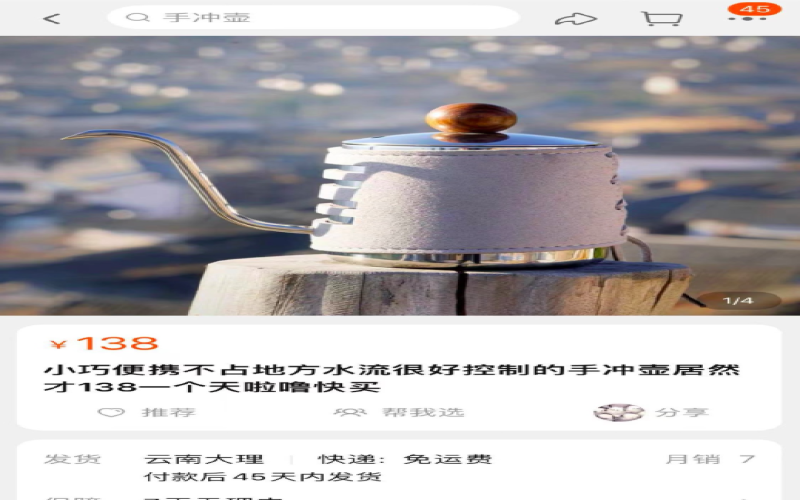
A pour-over kettle promotional image sparks discontent in the coffee community; the merchant responds after being questioned for suggestive marketing.
Pour-over kettles are essential tools for coffee enthusiasts, and many people keep several at home, using them separately for boiling water, brewing drip bags, or matching different occasions and bean types. Besides well-known brands like the B kettle, many also favor uniquely designed niche kettle styles. However, recently some netizens discovered that a Taobao merchant used revealing images of a female model in a corset on the product details page for a pour-over kettle, accompanied by ambiguous text, sparking strong disgust among coffee lovers. The relevant screenshots quickly spread on platforms like Xiaohongshu and Douban, with many condemning the marketing approach as vulgar and objectifying women. The merchant subsequently responded on WeChat Moments. The incident also brings to mind a previous controversy involving a coffee machine brand that used nude models for promotion. [more…]